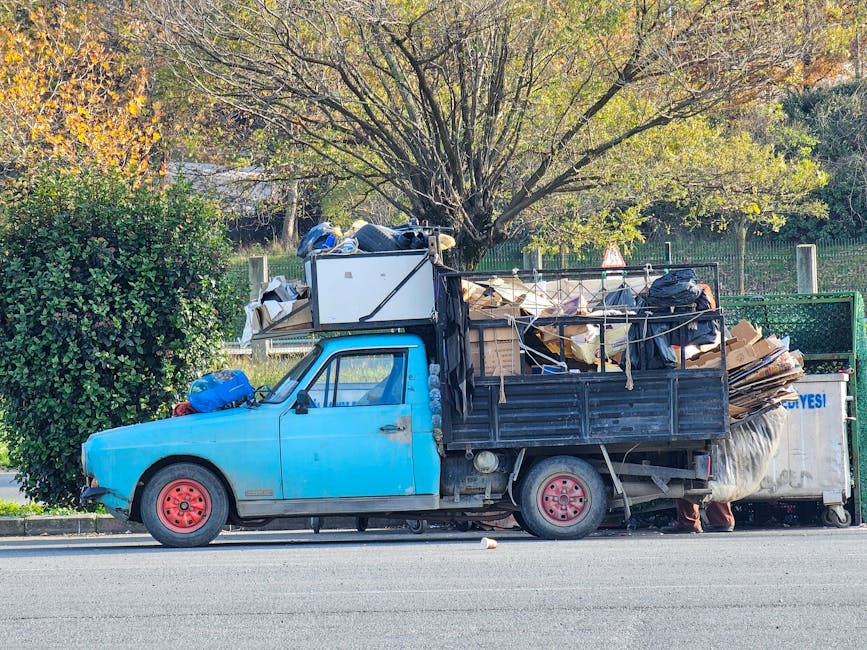
Green Street same day rubbish removal and urgent pickups
If you need Green Street same day rubbish removal and urgent pickups, you are probably dealing with a messy, time-sensitive problem: a move that overran, builders' waste blocking the hallway, a broken appliance in the way, or a pile of bags that simply cannot wait until next week. That is exactly where a fast, organised clearance service makes life easier. It is not just about speed, either. Done properly, it is about getting the job removed safely, legally, and without leaving you with a second headache afterwards.
This guide walks you through what urgent rubbish removal actually involves, how the process usually works on Green Street, who it suits, what to watch out for, and how to prepare so everything goes smoothly. You will also find a practical checklist, a simple comparison of options, and a few grounded tips that help when the clock is ticking.
Why Green Street same day rubbish removal and urgent pickups Matters
Urgent rubbish removal is one of those services you do not think about until you really need it. Then it becomes all you can think about. A front room full of boxed-up clutter, a load of renovation rubble, or a fridge that has to go today can quickly affect safety, access, neighbours, and your own peace of mind.
On busy streets, timing matters. A quick pickup can help keep doorways clear, reduce trip hazards, and stop waste from lingering where it should not. It can also make a big difference for businesses that need a tidy premises before opening hours, or for households trying to make space before a delivery, inspection, or end-of-tenancy handover. To be fair, that kind of pressure is common. You are not the only one who has looked at a heap of waste and thought, "Right, this has to go now."
There is also a practical side many people miss: urgent waste removal can prevent a small issue becoming a larger one. Cardboard left out too long, broken furniture in a narrow corridor, or builders' rubble piled near an entrance can get in the way of daily life very fast. If you are looking for a broader service for mixed waste, the main waste removal service is worth knowing about, especially when the job is more than a simple one-off bag pickup.
Expert summary: same day rubbish removal works best when the waste is clearly described, access is straightforward, and the collection time is confirmed early in the day. Fast does not have to mean chaotic.
How Green Street same day rubbish removal and urgent pickups Works
The process is usually simpler than people expect. In most urgent cases, the service starts with a quick description of the waste, the location, and any access issues. That lets the team judge what vehicle, labour, and disposal method may be needed. In real life, the details matter. A few bulky chairs is a very different job from a damp builder's skip-load of mixed rubble.
Once the job is accepted, the pickup is scheduled for the earliest possible time. Same day often depends on how busy the day already is, how far the crew is travelling, and whether the waste is straightforward to remove. If you are ready when the team arrives, the job usually moves quickly. If the waste is scattered in several rooms or blocked behind furniture, the collection naturally takes longer. That is normal.
For many customers, the most helpful part is not the lifting itself but the planning. You know what is going, what is staying, and roughly when the space will be clear. If you have a bigger clear-out in mind, services such as house clearance, home clearance, or flat clearance can be useful, depending on the type of property and volume of waste.
For urgent collections, the key is communication. Say what is in the load, whether anything is unusually heavy, whether the waste includes appliances, and whether parking or stair access may be tight. That might sound obvious, but it saves awkward surprises. Nobody wants a crew turning up for a quick job and finding a frozen fridge wedged behind three wardrobes. It happens. More often than you'd think.
Key Benefits and Practical Advantages
There are several reasons people choose same day and urgent pickup over waiting for a standard collection. The first is obvious: time. When a deadline is looming, speed matters more than almost anything else. But the real value is broader than that.
- Immediate space recovery: clear a room, hallway, yard, or shop floor without waiting days.
- Reduced stress: one less thing hanging over your head during a move, repair, or clean-up.
- Better safety: remove hazards such as broken furniture, sharp debris, or stacked waste.
- More flexible planning: useful when deliveries, inspections, or tradespeople are already booked.
- Less disruption for neighbours or customers: waste is dealt with quickly rather than left in view.
Urgent pickup is also helpful when you are dealing with a mixed load. For example, a landlord might need a sofa, mattress, and a few bags removed from a flat before a new tenant arrives. A builder might need mixed waste from a small renovation cleared the same afternoon. In those situations, specialist services like mattress and sofa disposal or builders waste clearance can be part of a wider clearance plan.
And there is a subtle benefit too: urgency often forces a simpler decision. You sort what matters, what should be reused, and what should be removed. That clarity can be strangely useful.
Who This Is For and When It Makes Sense
Same day rubbish removal is a good fit for people and businesses who need action, not long discussions. It suits anyone facing a deadline, a safety issue, or a sudden change of plan. The most common situations are familiar enough:
- End-of-tenancy clear-outs with little time left on the clock
- Last-minute office moves or refurbishments
- Builders finishing a job and leaving waste on site
- Landlords dealing with abandoned furniture or household rubbish
- Homeowners clearing space for furniture delivery or decorating
- Businesses needing a tidy frontage before opening or inspection
- Garages, lofts, and sheds that have become storage caves over the years
If the waste is mainly business-related, a service such as business waste removal or office clearance may be a better fit than a generic load collection. For more domestic clearances, garage clearance, loft clearance, and furniture clearance can be more appropriate depending on what needs shifting.
It makes sense when the waste is genuinely urgent, but not every job needs a rush. If the waste can sit safely until a scheduled collection, that may be the simpler option. The trick is being honest about what you actually need today versus what merely feels annoying today. Big difference.
Step-by-Step Guidance
If you want the smoothest possible same day collection, a small amount of preparation goes a long way. Here is a practical process that works well in the real world.
- List the waste clearly. Include bulky items, bagged waste, loose debris, appliances, and anything unusual.
- Separate restricted items. If anything may need special handling, flag it early rather than hiding it in the pile.
- Check access. Think about stairs, narrow hallways, parking, lifts, and whether the team will need to carry items a long way.
- Take a quick photo if needed. A few honest images can save time and help avoid underestimating the job.
- Confirm your timing window. If you are on a deadline, say so plainly. Same day works best when everyone understands the urgency.
- Clear a path. Move small items, open gates, and make sure the waste is reachable.
- Be ready to approve the load on arrival. This keeps the collection moving and avoids delay.
For appliance-heavy jobs, you may need a separate collection route. Items like white goods can be awkward and heavy, especially in older properties with tight staircases. In those cases, fridge and appliance removal is often the cleaner option. If you are dealing with carpets, soaked materials, sharp metal, or anything uncertain, pause and check before lumping it all together. A little caution saves trouble later.
A good rule of thumb: the clearer the job, the faster the pickup. Simple as that.
Expert Tips for Better Results
In practice, the fastest jobs are rarely the ones with the most waste. They are the ones that are best prepared. That is the honest truth.
- Keep one area as the staging point. If everything is gathered in one spot, the collection is much quicker.
- Label any items that must stay. Especially in mixed household or office clear-outs, this prevents confusion.
- Tell the team about awkward access. Narrow stairs, locked gates, basement storage, and parking restrictions all matter.
- Sort hazardous or specialist items early. Don't leave them mixed in with general waste.
- Use the right service for the load. A garden heap is not the same as office clutter, and a single mattress is not the same as a full room clearance.
One small but useful tip: if you are comparing urgent pickup options, think about what happens after the waste leaves your property. Responsible disposal, recycling where appropriate, and proper handling all matter. That is one reason people look for providers with a clear recycling and sustainability approach rather than choosing the first name they spot online.
Also, if you are dealing with a sensitive clean-out, such as paperwork, old records, or private files in an office, confidential disposal can be part of the plan too. The obvious stuff gets removed first; the careful stuff gets handled properly.
Common Mistakes to Avoid
Urgent jobs can go sideways for surprisingly small reasons. Most problems are avoidable, which is why it helps to slow down for a minute before the van arrives.
- Giving vague descriptions. "Some rubbish" is not enough when timing is tight.
- Underestimating volume. A few bags can turn into a full load once everything is gathered.
- Forgetting access issues. Tight stairwells or no parking can delay the job.
- Mixing restricted items into general waste. This can complicate collection or handling.
- Leaving the waste scattered. It slows everything down and often increases labour time.
- Assuming all urgent jobs are identical. A domestic sofa pickup and a commercial strip-out are not the same thing at all.
Another common mistake is choosing speed without checking what is included. Does the service cover loading, lifting, and disposal? Is there a clear quote process? Are special items handled separately? These are boring questions, yes, but they matter. Usually the boring questions save the day.
If you are dealing with bulky household goods, services such as furniture disposal or mattress and sofa disposal may be more appropriate than trying to squeeze everything into a general-purpose collection.
Tools, Resources and Recommendations
You do not need a toolkit to arrange urgent rubbish removal, but a few simple resources make the process smoother.
- Your phone camera: useful for documenting the waste and any access constraints.
- A quick room-by-room list: helpful when the waste is spread across a property.
- Tape or labels: good for marking items that should not be removed.
- Basic measuring tape: useful for checking whether bulky items will fit through doorways or stair bends.
- A bin bag or box for small valuables: because keys, chargers, and papers love hiding in clutter at the worst possible moment.
For property clear-outs, the right support page often helps you understand what is involved before you book. If your situation is broader than a simple load, you might find house clearance, home clearance, or office clearance useful for planning. If the job is mainly one-off bulky items, then waste removal is the more straightforward starting point.
And for transparency on how quotes, payments, and security are handled, it is sensible to review relevant service information such as pricing and quotes, payment and security, and insurance and safety. Nothing dramatic there, just good housekeeping.
Law, Compliance, Standards, or Best Practice
Waste removal in the UK comes with responsibilities, even when the job looks small. The exact rules can vary depending on the type of waste, the property, and the circumstances, so it is sensible to treat compliance as part of the service rather than an afterthought.
As a customer, the most important practical point is simple: make sure the waste is passed to a properly run service that handles it lawfully and responsibly. Mixed waste, appliances, furniture, construction debris, and potentially restricted items should not be dumped casually or left for unclear onward handling. If you are unsure whether something counts as ordinary waste or needs special treatment, ask before collection. That advice saves stress almost every time.
For example, some materials and items may require separate handling, and awkward loads can pose safety risks during lifting and transport. This is especially true with heavy furniture, sharp rubble, or damaged appliances. If hazardous materials are involved, a dedicated hazardous waste disposal route may be needed rather than a general pickup. Best practice is to identify these items early and keep them separate.
It is also good practice to check service terms, access requirements, and what happens if the actual load differs from the description given at booking. That is not red tape for its own sake. It protects both sides and keeps same day jobs moving in a tidy, predictable way.
Options, Methods, or Comparison Table
If you are deciding how to clear urgent waste, there are a few common routes. The right choice depends on volume, urgency, access, and how much help you want on the day.
| Option | Best for | Pros | Trade-offs |
|---|---|---|---|
| Same day rubbish removal | Urgent clear-ups, bulky items, mixed loads | Fast, convenient, labour included | Needs clear access and accurate description |
| Planned waste collection | Jobs with no time pressure | Flexible scheduling, easier to prepare | Not suitable for immediate deadlines |
| Specialist clearance | Properties, offices, furniture-heavy loads | Tailored to the situation | May require more detailed planning |
| Separate appliance or bulky item removal | Fridges, sofas, mattresses, individual heavy items | Clear handling for specific items | May not suit mixed, large-scale waste |
For many Green Street customers, the right answer is a blend rather than a single service. A landlord might use fast rubbish removal for leftover bags, then arrange furniture disposal for larger items. A builder might pair urgent clearance with a broader builders waste clearance plan. That is normal. Real jobs tend to be a bit messy, not tidy textbook examples.
Case Study or Real-World Example
Picture this: it is a weekday morning, and a small property on Green Street needs to be emptied before a new bed and wardrobe arrive at 4 p.m. There are cardboard boxes, a broken chest of drawers, an old mattress, and a couple of bin bags from the final room clear-out. Nothing dramatic, but enough to block access and spoil the day if it is left sitting around.
The first step is a quick description of the items and access. The second is gathering everything into one place near the exit. By the time the collection team arrives, the load is easy to assess, the route is clear, and the job can be done in one sweep instead of several slow trips up and down the stairs. The result is simple: the room is ready, the delivery can go ahead, and nobody has to stare at a pile of debris all afternoon.
That kind of scenario is common. In the afternoon, it can be the reverse: a local office clears out redundant desks and paper waste before a contractor turns up the next morning. Different setting, same principle. Good preparation turns an urgent job into a manageable one.
And yes, the relief is usually obvious. You can almost hear it in the room when the last item goes. Less clutter. Less pressure. More room to breathe.
Practical Checklist
Use this before booking or on the day of collection. It keeps things calm when everything feels a bit rushed.
- Have I clearly listed what needs removing?
- Are any items heavy, awkward, or unusually fragile?
- Have I separated anything that should stay?
- Do I know whether the load includes appliances, furniture, or builders' waste?
- Is access clear for lifting and carrying?
- Have I warned about stairs, lifts, parking, or restricted entry?
- Are restricted or hazardous items kept separate?
- Is the pickup timing confirmed and realistic for the day?
- Have I checked the service terms and the quote process?
- Is the waste gathered in one reachable place?
If you can tick most of those off, you are in good shape. If not, take two minutes to sort the obvious bits now. It really does help.
Get a free quote today and see how much you can save.
Conclusion
Green Street same day rubbish removal and urgent pickups are about more than speed. They are about removing a problem at the point it starts affecting your day, your property, or your business. When handled well, a fast collection gives you space, safety, and a proper reset. That can be a huge relief, especially when the pressure has been building for hours or days.
The best results come from simple preparation: describe the waste clearly, keep access open, and choose the right service for the type of load. If your situation involves furniture, appliances, builders' waste, or a full property clear-out, matching the job to the right service keeps everything clean and efficient. Not glamorous, maybe, but very effective.
And once the waste is gone, there is usually a small but genuine sense of calm. A room looks bigger. A hallway feels usable again. Life moves on. That is the bit people remember.
Frequently Asked Questions
What counts as same day rubbish removal on Green Street?
It usually means waste is collected on the same calendar day you request it, subject to availability, access, and the type of rubbish. The more clearly you describe the load, the easier it is to confirm whether a same day pickup is realistic.
Can urgent pickups handle bulky items like sofas and mattresses?
Yes, in many cases they can, but bulky items are often better treated as part of a specialist bulky waste or furniture service. If the item is very large or heavy, say so early so the team can plan properly.
What if I have mixed waste, not just one type of item?
Mixed loads are common. Builders' waste, furniture, appliances, and general rubbish can often be handled together, but anything unusual should be flagged in advance. Mixed loads need clearer descriptions than single-item pickups.
How quickly should I book if I need an urgent collection today?
As early as possible. Same day work depends on workload and timing, so booking in the morning gives you the best chance of securing a slot. If it is already late in the day, be realistic about what can be done.
Do I need to move the rubbish outside before the team arrives?
Not always. Many services include lifting and carrying from inside the property, but access should be clear. If items are already staged near the exit, it can speed things up a lot.
Are appliances like fridges and freezers accepted?
Often yes, but appliances can require separate handling, especially if they are heavy or awkward. It is sensible to mention them specifically when you enquire so the right removal method is arranged.
What happens if the waste is more than I described?
If the actual load is larger or more complex than expected, the team may need to reassess the job before removal. That is why honesty at the booking stage matters. A quick description now avoids awkwardness later.
Is urgent rubbish removal suitable for offices and shops?
Yes. In fact, it is often very useful for businesses that need to keep operations moving. Office clear-outs, shop refits, and last-minute tidy-ups can all benefit from a quick collection window.
Can I use urgent pickup for builders' waste?
Yes, provided the waste is described accurately and the load is suitable for collection. Builders' rubble, timber, packaging, and mixed renovation waste can often be cleared quickly when access is straightforward.
How do I make sure the waste is handled responsibly?
Choose a service that is transparent about disposal, safety, and recycling where appropriate. It is also wise to review service information on pricing, payment, and sustainability so you know what to expect before booking.
What should I do with hazardous or unusual materials?
Do not mix them into general waste. Hazardous items may need separate handling, and the safest approach is to identify them before the collection is arranged. If in doubt, ask first rather than guessing.
What is the best first step if I am not sure which service I need?
Start with a clear list of the items and the deadline you are working to. From there, it becomes much easier to decide whether you need general waste removal, furniture disposal, builders waste clearance, or a more complete property clearance.
If you are planning a clear-out and want a quick, practical route forward, the safest next step is to gather a few details, check your access, and book the right service without overcomplicating it. One clean pickup can make a bigger difference than you expect.